Showing posts with label bellow seal gate valves. Show all posts

Monday, 15 September 2025

Bellow Seal Valves in the Pharmaceutical Industry – Ensuring Purity and Safety

The pharmaceutical industry operates under strict quality and safety standards. Every component in the production process must ensure purity, precision, and compliance with regulatory norms. Valves, being critical to fluid handling, directly influence product quality and safety. Traditional valves, however, often struggle with leakage, contamination risks, and frequent maintenance. This is where Bellow Seal Valves play a vital role, providing leak-proof performance, contamination-free operations, and long-term reliability.

Challenges in the Pharmaceutical Industry

Pharmaceutical manufacturing requires stringent control over fluids, gases, and steam used in various processes. Even a minor leak can compromise product quality or violate compliance standards.

Common challenges include:

  • Risk of Contamination: Leaks or emissions can contaminate sensitive formulations.

  • Regulatory Pressure: Compliance with cGMP, FDA, and WHO norms demands zero leakage systems.

  • High Purity Requirements: Valves must not react with or alter the product.

  • Operational Downtime: Frequent valve failures can disrupt critical production schedules.

These challenges highlight the need for valves that combine precision, safety, and durability.

The Role of Bellow Seal Valves

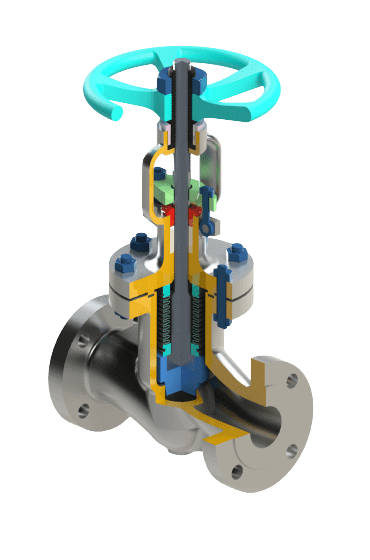
A Bellow Seal Valve incorporates a metallic bellows that ensures a hermetic seal between the stem and the process medium. This design eliminates leakage, making it highly suitable for pharmaceutical environments where safety and purity are paramount.

Key Features:

  • Leak-Free Operation: Ensures zero stem leakage.

  • Sterile Design: Supports clean and contamination-free production.

  • Durability: Handles high-pressure and high-temperature conditions in sterile steam lines.

  • Regulatory Compliance: Designed to meet pharmaceutical validation standards.

Applications in Pharmaceutical Processes

Bellow Seal Valves are deployed in critical pharmaceutical applications such as:

  1. Pure Steam Distribution: Ensures sterile supply of steam without risk of leakage.

  2. Water for Injection (WFI) Systems: Prevents contamination in ultra-pure water pipelines.

  3. Chemical Dosing Lines: Provides safe handling of cleaning agents and solvents.

  4. Fermentation & Biotech Processes: Maintains sterile and controlled environments.

These applications demonstrate the valves’ role in protecting product quality and ensuring patient safety.

Benefits for the Pharmaceutical Industry

The adoption of Bellow Seal Globe Valves and Gate Valves brings several advantages to pharmaceutical operations:

  • Zero Contamination Risk: Leakage-free design ensures product purity.

  • Regulatory Compliance: Helps meet global pharmaceutical standards.

  • Operational Reliability: Reduces downtime in critical production stages.

  • Extended Service Life: Low maintenance requirements improve cost efficiency.

  • Worker Safety: Protects operators from exposure to harmful cleaning chemicals.

Why Bellow Seal Valves Are Preferred in Pharma

Unlike conventional valves, Bellow Seal Valves provide both precision flow control and contamination-free operations, making them indispensable for pharmaceutical manufacturing. Their ability to handle pure water, pure steam, and critical fluids without compromise ensures compliance and reliability.

With the growing global demand for high-quality medicines, pharmaceutical companies are investing in advanced technologies that guarantee safety and efficiency — and Bellow Seal Valves perfectly meet these expectations.

Conclusion

In an industry where safety, quality, and compliance are critical, Bellow Seal Valves provide unmatched reliability. By eliminating leakage, ensuring product purity, and meeting stringent international standards, these valves safeguard both production processes and end-user health.

For pharmaceutical companies committed to quality and safety, Bellow Seal Valves are an essential investment.

Freture Techno Pvt. Ltd., a leading manufacturer of Bellow Seal Valves in Mumbai, India, delivers advanced valve solutions trusted by pharmaceutical manufacturers worldwide.

Wednesday, 25 October 2023

Environmental Impact of Valve Leakage: A Silent Threat to Our Ecosystem

Industrial valves are essential components in various sectors, facilitating the control of fluids and gases. However, the unnoticed culprits, valve leaks, can cause severe environmental damage. In this article, we will explore the environmental impact of valve leakage, emphasizing the importance of addressing this silent threat.

The Hidden Consequences

Valve leakage may appear as a minor issue in isolation, but its collective impact is staggering. These leaks release harmful substances into the environment, affecting both terrestrial and aquatic ecosystems. The consequences are far-reaching and often underestimated.

Soil Contamination

Leaking valves often release corrosive chemicals, hydrocarbons, or toxic substances, which can seep into the soil. The contaminated soil loses its fertility, rendering it unsuitable for agriculture. Over time, this can lead to the degradation of large tracts of arable land.

Water Pollution

Valve leaks can contaminate nearby water bodies. Chemicals and pollutants from these leaks find their way into rivers, lakes, and oceans. Aquatic life can be severely impacted, with devastating effects on fish populations and the delicate balance of aquatic ecosystems.

Air Quality

In some cases, valve leaks release volatile organic compounds (VOCs) into the air. These can react with other pollutants to form ground-level ozone, a major component of smog. Poor air quality affects human health, and it contributes to global warming.

Biodiversity Loss

The destruction of ecosystems due to valve leakage disrupts the habitats of countless species. Plants and animals that rely on these ecosystems face the risk of extinction. Biodiversity loss has long-term consequences for the planet's ecological balance.

Preventive Measures

Preventing valve leakage is crucial in reducing its environmental impact. Regular maintenance, inspection, and the use of high-quality, zero-leakage valves can significantly minimize these issues. Additionally, adopting eco-friendly practices and materials in valve construction can further reduce environmental harm.

Zero-Leakage Valves: A Green Solution

Bellow Sealed Globe Valve

Zero-leakage valves, as the name suggests, are designed to prevent any form of leakage. These valves are crafted from materials that are highly resistant to corrosion, wear, and tear. By adopting zero-leakage valves, industries can substantially reduce their environmental footprint. This solution offers several benefits:

Reduced Environmental Liability: Zero-leakage valves help industries comply with environmental regulations, preventing costly fines and remediation expenses.

Resource Conservation: Preventing leaks conserves valuable resources and reduces the need for energy-intensive pollution control measures.

Improved Corporate Image: Embracing green technology enhances a company's reputation, demonstrating a commitment to environmental responsibility.

Valve leakage is a significant environmental concern with far-reaching consequences. It affects not only natural ecosystems but also human health and industry reputation. By adopting zero-leakage valves and implementing eco-friendly practices, industries can mitigate these environmental impacts and play their part in safeguarding the planet for future generations. It's time to recognize the silent threat of valve leakage and take proactive steps to protect our environment.

Understanding the Industrial Valve Leakage Problem: Causes, Consequences, and Solutions

Industrial valves are the unsung heroes of numerous processes across a wide range of industries. These small but vital components control the flow of liquids and gases within pipelines and systems, ensuring that operations run smoothly. However, the industrial valve leakage problem is a persistent issue that can have far-reaching consequences, including significant financial losses and environmental damage. In this article, we will delve into the causes, consequences, and potential solutions for the industrial valve leakage problem, shedding light on a critical issue many industries face.

Bellow Seal Gate Valve


The Causes of Industrial Valve Leakage

Wear and Tear: Over time, the components of industrial valves can degrade due to normal wear and tear. Seals, gaskets, and packing materials can deteriorate, leading to leaks.

Improper Installation: Incorrect installation of valves can result in misalignment or damage to components, which may cause leakage.

Corrosion: The corrosive nature of the substances flowing through valves can lead to corrosion, which weakens valve materials and creates openings for leaks.

High Pressure and Temperature: Extreme operating conditions, such as high pressure and temperature, can place immense stress on valves, increasing the likelihood of leakage.

Foreign Material Ingress: Particles, debris, or foreign materials can enter valves and hinder their proper functioning, potentially leading to leakage.

The Consequences of Industrial Valve Leakage

Economic Losses: Valve leakage can result in substantial economic losses for industries due to product wastage, downtime, and maintenance costs.

Environmental Impact: Leaked materials can harm the environment, contaminate water sources, and damage ecosystems, leading to costly cleanup and potential legal ramifications.

Operational Disruption: Frequent valve leakage can disrupt operations, causing delays and decreased productivity.

Safety Concerns: Leaking materials can pose health and safety risks to workers and nearby communities, further emphasizing the urgency of addressing this problem.

Solutions to the Industrial Valve Leakage Problem

Regular Maintenance: Implementing a proactive maintenance schedule is crucial for identifying and addressing wear and tear issues before they lead to leakage.

Proper Installation and Training: Ensure that valves are installed correctly, and employees are adequately trained to handle and maintain them.

Corrosion Resistance: Choose materials and coatings that are highly resistant to corrosion, especially in applications with corrosive substances.

Monitoring and Control Systems: Employ advanced monitoring and control systems that can detect early signs of leakage and take immediate corrective actions.

Zero Leakage Valve Technology: Consider adopting zero leakage valve technology, which utilizes innovative materials and designs to eliminate leakage entirely.

Understanding the industrial valve leakage problem is essential for industries to mitigate its negative effects. By addressing the root causes and consequences of valve leakage, businesses can take proactive steps to minimize economic losses, protect the environment, and ensure the safety and efficiency of their operations. The adoption of zero leakage valve technology represents a promising solution, offering long-term benefits in terms of both economic savings and environmental sustainability. In the ever-evolving industrial landscape, preventing valve leakage is an investment in reliability, safety, and sustainability.

Bellows Seal Globe Valves in the Chemical and Specialty Chemical Industry

The global chemical industry handles thousands of process fluids — many of which are corrosive, toxic, carcinogenic, or environmentally haza...