Friday, 3 November 2023

The Guardian Angels of Nuclear Power: Zero Leakage Valves Ensure Safety and Reliability

Nuclear power plants are a critical source of electricity, but they operate in an environment where safety is of paramount importance. Any compromise in the integrity of the plant's systems can lead to disastrous consequences. In this article, we will delve into the vital role of zero leakage valves in nuclear power plants, exploring how these unsung heroes ensure both safety and reliability within this high-stakes industry.
1. The Nuclear Power Challenge: Safety Above All

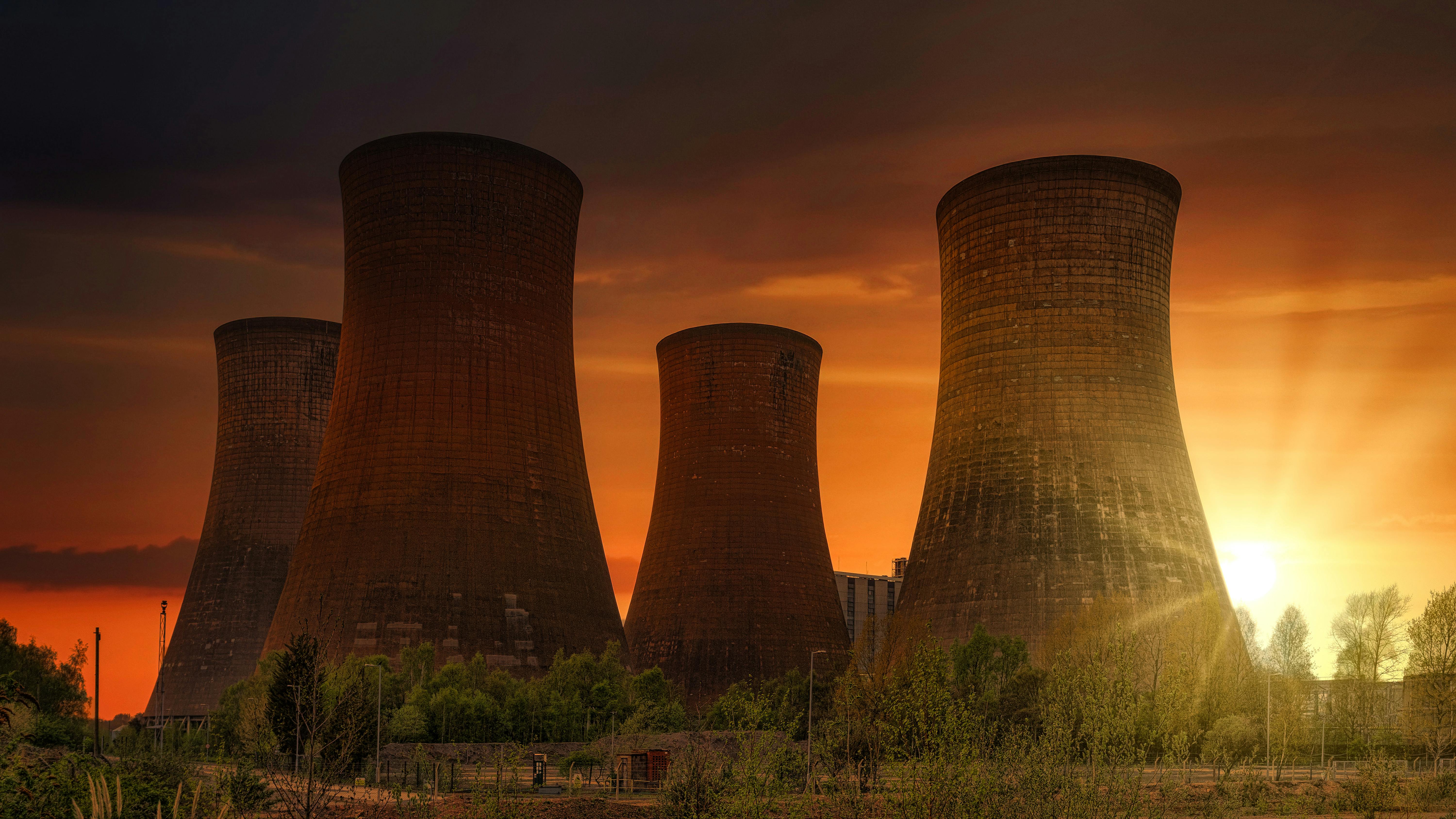
Nuclear power plants, with their intricate systems and extreme operating conditions, demand a level of safety that surpasses nearly all other industries. Even the smallest failure in a critical component can lead to catastrophic results. This is where zero leakage valves come into play.

2. Zero Leakage Valves: The Guardians of Nuclear Safety

Zero leakage valves are engineered with precision to withstand extreme pressure and temperature conditions, maintaining their integrity even in the harshest environments. They are a fundamental component of nuclear power plant systems, acting as crucial safety barriers.

3. Primary Containment Systems: A Core Application

One of the primary applications of zero leakage valves in nuclear power plants is within the primary containment systems. These valves are designed to prevent any radioactive material from escaping into the environment. Their zero-leakage property is critical in maintaining the plant's safety.

4. Safety Relief Valves: Protecting Against Overpressure

Safety relief valves equipped with zero leakage technology ensure that the pressure within the nuclear reactor remains within safe limits. In the event of overpressure, these valves act swiftly to protect the reactor, averting a potential disaster.

5. Environmental Protection: The Core Principle

Zero leakage valves are designed with the environment in mind. They are built to prevent the release of harmful substances into the atmosphere, ensuring that the impact on the environment and public health is minimized.

6. Reliability: The Backbone of Nuclear Operations

Reliability is another key aspect of zero leakage valves in nuclear power plants. These valves are subjected to rigorous testing and quality control measures to ensure they can operate flawlessly for extended periods. This reliability is essential for the uninterrupted generation of electricity.

7. Maintenance and Monitoring: Ensuring Continued Reliability

Regular maintenance and monitoring of zero leakage valves are essential to their long-term performance. Nuclear power plants invest heavily in inspection and maintenance programs to ensure the reliability of these critical components.

8. International Standards and Regulations: Upholding Nuclear Safety

The use of zero leakage valves in nuclear power plants is governed by strict international standards and regulations. These guidelines set the bar for quality, performance, and safety in the nuclear industry.

9. Conclusion: Zero Leakage Valves - The Unsung Heroes of Nuclear Safety

In the realm of nuclear power, where safety is non-negotiable, zero leakage valves play a pivotal role. They act as the guardians of safety and reliability, ensuring that nuclear power plants can function without compromising the environment or public safety. Their continued development and use are essential for the sustainable growth of the nuclear energy industry.

In conclusion, zero leakage valves are the unsung heroes of nuclear power plants, where safety and reliability are paramount. Their zero-leakage property, combined with rigorous testing and adherence to international standards, make them indispensable in maintaining the integrity of these high-stakes operations. As nuclear power continues to play a crucial role in the world's energy mix, the role of zero leakage valves becomes even more significant, safeguarding the future of clean and reliable electricity generation.

Zero Leakage Valves vs. Traditional Valves: A Comparative Analysis

In the intricate world of fluid control, valves are the unsung heroes, allowing us to regulate the flow of various substances, be it water, gas, or chemicals. Traditional valves have been our reliable companions for decades, but now, a disruptive technology is changing the game – Zero Leakage Valves. In this article, we'll embark on a journey to explore the fundamental differences between zero leakage valves and their traditional counterparts, shedding light on their respective advantages and disadvantages.

Zero Leakage Valves: A Revolutionary Breakthrough

Zero leakage valves, as the name suggests, are designed to eliminate leaks entirely. They are a groundbreaking innovation in valve technology, engineered to prevent any substance from escaping when the valve is in a closed position. This is a game-changer in industries where safety, environmental concerns, and efficiency are paramount.

Advantages of Zero Leakage Valves:

Impeccable Seal: Zero leakage valves offer an impeccable seal, ensuring that no substance escapes or infiltrates the valve, thereby enhancing safety and preventing environmental contamination.

Longevity: They have a longer lifespan compared to traditional valves, reducing maintenance costs and downtime.

Environmental Friendliness: Zero leakage valves contribute to a greener environment by significantly reducing emissions, leaks, and resource wastage.

Precision Control: They provide precise control over fluid flow, enabling greater efficiency and minimizing waste.

Traditional Valves: The Old Guard

Traditional valves have served industries well for a long time. They are reliable and widely used, but they come with their own set of limitations.

Advantages of Traditional Valves:

Proven Technology: Traditional valves have been tried and tested for decades, making them a trusted choice for many applications.

Lower Initial Cost: They are often less expensive initially, which can be a deciding factor for budget-conscious projects.

Familiarity: Many technicians and engineers are well-versed in the operation and maintenance of traditional valves.

Disadvantages of Traditional Valves:

Leakage: Traditional valves may experience some level of leakage, which can be a significant concern, particularly in industries with strict environmental regulations.

Maintenance: They require regular maintenance and periodic replacement, leading to increased operating costs over time.

Limited Efficiency: Traditional valves may not provide the same level of efficiency and precise control as zero leakage valves.

Comparative Analysis:

When it comes to a head-to-head comparison, zero leakage valves shine in applications where the prevention of leakage is critical. Industries such as oil and gas, chemical processing, and nuclear power plants, which demand uncompromised safety and environmental responsibility, benefit significantly from zero leakage valves. These valves minimize the risk of hazardous leaks and are an investment in long-term efficiency.

On the other hand, traditional valves still have their place, particularly in applications where initial cost is a significant consideration and where a small amount of leakage is tolerable. In less critical applications, they can provide reliable performance at a lower upfront cost.

The choice between zero leakage valves and traditional valves ultimately comes down to the specific needs of the application. While zero leakage valves represent a remarkable leap forward in valve technology, traditional valves remain a viable and cost-effective option in less demanding scenarios. The key is to weigh the advantages and disadvantages carefully and make an informed decision that best aligns with your industry's goals, safety standards, and budget. Regardless of the choice, both types of valves play an essential role in maintaining the intricate balance of fluid control in our world.

The Pioneering Technology of Zero Leakage Valves: A Game-Changer for Industries

In the world of industrial innovation, the quest for perfection has led to remarkable advancements in technology. Among these, zero leakage valves have emerged as a game-changing innovation with the potential to revolutionize various industries. These valves, designed to provide impeccable sealing capabilities, are setting new standards for reliability and efficiency across the board. In this article, we'll delve into the groundbreaking technology of zero leakage valves and how they are transforming industries.

The Imperative of Leak-Free Systems:

Leakage in industrial systems can have far-reaching consequences, from environmental concerns to operational inefficiencies and safety risks. Whether in the oil and gas sector, chemical processing plants, water management systems, or even nuclear power facilities, ensuring leak-free operations is a top priority. Traditional valves, while effective in many applications, are not infallible when it comes to preventing leakage. This is where zero leakage valves come into play.

Bellow Sealed Gate Valve

Zero Leakage Valves: How They Work:

Zero leakage valves, as the name suggests, are engineered to eliminate any possibility of leakage. They accomplish this through a combination of innovative design features and materials. Key components include specialized sealing mechanisms, robust materials that can withstand extreme conditions, and precision engineering to ensure a perfect fit.

Exceptional Sealing Capabilities:

One of the primary reasons zero leakage valves are a game-changer for industries is their exceptional sealing capabilities. These valves are designed to create a hermetic seal, which means they completely block the flow of fluids or gases in both directions, even under high pressure and temperature conditions. This level of reliability ensures that industries can operate with confidence, reduce environmental impact, and protect against safety hazards.

Applications Across Diverse Industries:

Zero leakage valves have found applications in a wide range of industries. In the oil and gas sector, where safety and environmental concerns are paramount, these valves prevent costly and potentially disastrous leaks. In chemical processing plants, they enable precise control of materials, reducing waste and enhancing efficiency. In water management systems, they minimize water loss and improve infrastructure sustainability. Even in critical sectors like aerospace and nuclear power, zero leakage valves are crucial to ensure the utmost safety and reliability.

Economic Benefits and Environmental Impact:

The implementation of zero leakage valves offers significant economic benefits. By reducing the risk of leaks and operational downtime, these valves provide a substantial return on investment. Additionally, their environmental impact cannot be overstated. Minimizing leaks means reducing emissions, conserving resources, and meeting strict regulatory standards.

Zero leakage valves represent a monumental leap forward in industrial technology. Their exceptional sealing capabilities are transforming a myriad of industries by reducing the risk of leakage, improving operational efficiency, and ensuring safety and environmental responsibility. As we continue to push the boundaries of what is possible in industrial innovation, zero leakage valves stand as a shining example of how pioneering technology can change the game for industries worldwide. Embrace the future of reliability and efficiency with zero leakage valves—the industry's new standard-bearers.

Wednesday, 25 October 2023

Environmental Impact of Valve Leakage: A Silent Threat to Our Ecosystem

Industrial valves are essential components in various sectors, facilitating the control of fluids and gases. However, the unnoticed culprits, valve leaks, can cause severe environmental damage. In this article, we will explore the environmental impact of valve leakage, emphasizing the importance of addressing this silent threat.

The Hidden Consequences

Valve leakage may appear as a minor issue in isolation, but its collective impact is staggering. These leaks release harmful substances into the environment, affecting both terrestrial and aquatic ecosystems. The consequences are far-reaching and often underestimated.

Soil Contamination

Leaking valves often release corrosive chemicals, hydrocarbons, or toxic substances, which can seep into the soil. The contaminated soil loses its fertility, rendering it unsuitable for agriculture. Over time, this can lead to the degradation of large tracts of arable land.

Water Pollution

Valve leaks can contaminate nearby water bodies. Chemicals and pollutants from these leaks find their way into rivers, lakes, and oceans. Aquatic life can be severely impacted, with devastating effects on fish populations and the delicate balance of aquatic ecosystems.

Air Quality

In some cases, valve leaks release volatile organic compounds (VOCs) into the air. These can react with other pollutants to form ground-level ozone, a major component of smog. Poor air quality affects human health, and it contributes to global warming.

Biodiversity Loss

The destruction of ecosystems due to valve leakage disrupts the habitats of countless species. Plants and animals that rely on these ecosystems face the risk of extinction. Biodiversity loss has long-term consequences for the planet's ecological balance.

Preventive Measures

Preventing valve leakage is crucial in reducing its environmental impact. Regular maintenance, inspection, and the use of high-quality, zero-leakage valves can significantly minimize these issues. Additionally, adopting eco-friendly practices and materials in valve construction can further reduce environmental harm.

Zero-Leakage Valves: A Green Solution

Bellow Sealed Globe Valve

Zero-leakage valves, as the name suggests, are designed to prevent any form of leakage. These valves are crafted from materials that are highly resistant to corrosion, wear, and tear. By adopting zero-leakage valves, industries can substantially reduce their environmental footprint. This solution offers several benefits:

Reduced Environmental Liability: Zero-leakage valves help industries comply with environmental regulations, preventing costly fines and remediation expenses.

Resource Conservation: Preventing leaks conserves valuable resources and reduces the need for energy-intensive pollution control measures.

Improved Corporate Image: Embracing green technology enhances a company's reputation, demonstrating a commitment to environmental responsibility.

Valve leakage is a significant environmental concern with far-reaching consequences. It affects not only natural ecosystems but also human health and industry reputation. By adopting zero-leakage valves and implementing eco-friendly practices, industries can mitigate these environmental impacts and play their part in safeguarding the planet for future generations. It's time to recognize the silent threat of valve leakage and take proactive steps to protect our environment.

Exploring Types of Industrial Valves and the Looming Leakage Issues

 In the vast landscape of industrial operations, valves play a pivotal role in controlling the flow of liquids, gases, and even solids within pipelines. These unsung heroes are the gatekeepers of various processes, ensuring the smooth operation of industries ranging from petrochemicals to water treatment plants. However, like any mechanical component, industrial valves are not immune to issues, and one of the most common problems they face is leakage. In this article, we'll delve into the world of industrial valves, their types, and the persistent challenge of leakage.

Understanding Industrial Valves

Industrial valves are designed to regulate the flow of substances within a system. These valves come in a multitude of types, each catering to specific applications. Let's take a look at some common types of industrial valves:

Ball Valves: Ball valves use a spherical disc (the "ball") to control flow. When the handle is turned, the ball rotates to either allow or block the flow. Leakage can occur due to wear and tear on the sealing components.

Gate Valves: Gate valves are typically used in fully open or fully closed positions. Leakage issues arise when the sealing surface erodes over time.

Butterfly Valves: These valves feature a disk-shaped closure that rotates to control flow. Leakage concerns may be due to misalignment, leading to the disk not sealing properly.

Globe Valves: Globe valves regulate flow using a plug and seat. Leakage problems can occur if the sealing surface becomes damaged or if foreign particles get lodged in the valve.

Check Valves: Check valves allow flow in one direction only. These can experience leakage if the disc doesn't seal properly in the closed position.

Pressure Relief Valves: Pressure relief valves protect systems from overpressure. If the valve doesn't seat properly after opening, leakage can occur.

Leakage Issues in Industrial Valves

Despite the diversity in valve types, leakage remains a pervasive concern. Some common causes of leakage include:

Wear and Tear: Over time, the components of a valve, including seals and gaskets, can degrade, leading to leakage.

Corrosion: Exposure to corrosive materials can damage valve components, compromising their ability to create a proper seal.

Improper Installation: Incorrect installation or misalignment of valve components can result in leaks.

High Pressure and Temperature: Extreme operating conditions can put immense stress on valves, potentially leading to leakage.

Foreign Material Intrusion: Particles or debris in the fluid passing through the valve can obstruct the sealing surfaces, causing leaks.

Industrial valves are the unsung heroes of numerous industries, silently regulating the flow of critical substances. However, leakage issues can pose significant challenges, compromising the efficiency and safety of industrial processes. Understanding the types of industrial valves and their potential leakage problems is a crucial step towards addressing these issues. Regular maintenance, proper installation, and the use of quality materials are key in mitigating leakage concerns and ensuring the smooth operation of industrial systems.

Understanding the Industrial Valve Leakage Problem: Causes, Consequences, and Solutions

Industrial valves are the unsung heroes of numerous processes across a wide range of industries. These small but vital components control the flow of liquids and gases within pipelines and systems, ensuring that operations run smoothly. However, the industrial valve leakage problem is a persistent issue that can have far-reaching consequences, including significant financial losses and environmental damage. In this article, we will delve into the causes, consequences, and potential solutions for the industrial valve leakage problem, shedding light on a critical issue many industries face.

Bellow Seal Gate Valve


The Causes of Industrial Valve Leakage

Wear and Tear: Over time, the components of industrial valves can degrade due to normal wear and tear. Seals, gaskets, and packing materials can deteriorate, leading to leaks.

Improper Installation: Incorrect installation of valves can result in misalignment or damage to components, which may cause leakage.

Corrosion: The corrosive nature of the substances flowing through valves can lead to corrosion, which weakens valve materials and creates openings for leaks.

High Pressure and Temperature: Extreme operating conditions, such as high pressure and temperature, can place immense stress on valves, increasing the likelihood of leakage.

Foreign Material Ingress: Particles, debris, or foreign materials can enter valves and hinder their proper functioning, potentially leading to leakage.

The Consequences of Industrial Valve Leakage

Economic Losses: Valve leakage can result in substantial economic losses for industries due to product wastage, downtime, and maintenance costs.

Environmental Impact: Leaked materials can harm the environment, contaminate water sources, and damage ecosystems, leading to costly cleanup and potential legal ramifications.

Operational Disruption: Frequent valve leakage can disrupt operations, causing delays and decreased productivity.

Safety Concerns: Leaking materials can pose health and safety risks to workers and nearby communities, further emphasizing the urgency of addressing this problem.

Solutions to the Industrial Valve Leakage Problem

Regular Maintenance: Implementing a proactive maintenance schedule is crucial for identifying and addressing wear and tear issues before they lead to leakage.

Proper Installation and Training: Ensure that valves are installed correctly, and employees are adequately trained to handle and maintain them.

Corrosion Resistance: Choose materials and coatings that are highly resistant to corrosion, especially in applications with corrosive substances.

Monitoring and Control Systems: Employ advanced monitoring and control systems that can detect early signs of leakage and take immediate corrective actions.

Zero Leakage Valve Technology: Consider adopting zero leakage valve technology, which utilizes innovative materials and designs to eliminate leakage entirely.

Understanding the industrial valve leakage problem is essential for industries to mitigate its negative effects. By addressing the root causes and consequences of valve leakage, businesses can take proactive steps to minimize economic losses, protect the environment, and ensure the safety and efficiency of their operations. The adoption of zero leakage valve technology represents a promising solution, offering long-term benefits in terms of both economic savings and environmental sustainability. In the ever-evolving industrial landscape, preventing valve leakage is an investment in reliability, safety, and sustainability.

Wednesday, 11 October 2023

Unveiling Leakage Valves and the Mechanics of Bellow Seal Globe Valves

Leakage in any fluid system can have detrimental effects, compromising safety, efficiency, and the environment. Leakage valves, therefore, play a crucial role in controlling and preventing leaks, ensuring a seamless and secure operation in various industries. In this exploration, we'll shed light on the significance of leakage valves and delve into the workings of Bellow sealed Globe valves—a key player in leak prevention.

Understanding Leakage Valves

Leakage valves, as the name suggests, are designed to manage and mitigate leaks in fluid systems. Whether dealing with gases, liquids, or chemicals, leakage valves act as a barrier, preventing unwanted escape of the substance being transported. This not only ensures the preservation of resources but also maintains the safety of the working environment.

There are various types of leakage valves, each tailored to specific applications and fluid types. Common leakage valve types include ball valves, gate valves, check valves, and, notably, High Pressure Bellow seal Globe valves.

Bellow Seal Globe Valves: A Leak-Free Solution

Among leakage valves, Bellow Sealed Globe Valves stand out for their exceptional leak-tight capabilities and versatile applications. These valves derive their efficiency from a unique sealing mechanism involving a bellows-like structure.

The Valve Structure:

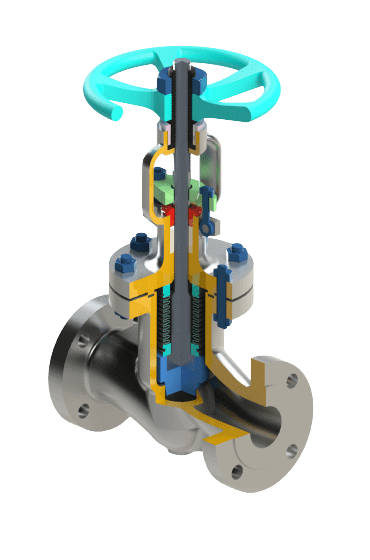
Bellows: The distinctive feature of a bellow seal globe valve is the bellows—a collapsible, accordion-like structure made of robust materials such as metal alloys. This bellows structure provides a flexible yet robust seal that expands and contracts in response to pressure and temperature changes.

Valve Body: Housing the bellows, the valve body provides the necessary structure for the valve to function effectively.

Stem and Actuator: Connecting to the bellows, the stem and actuator enable precise control over the valve's opening and closing, ensuring optimal flow management.

Seat: The sealing surface that makes contact with the bellows, forming a tight and reliable seal.

Bellow Sealed Globe Vave Manufacturers

Operational Mechanism:

Closing the Valve: Activating the actuator collapses the bellows, pressing the sealing surface (bellows) onto the seat, effectively shutting off the fluid flow and preventing any leaks.

Opening the Valve: Reversing the actuator's motion expands the bellows, lifting the sealing surface away from the seat, enabling fluid flow.

The bellows, being the heart of the mechanism, are responsible for the leak-free nature of Bellow Seal globe valves.

Advantages of Bellow Sealed Globe Valves

Bellow Seal Globe valves offer several advantages, making them a preferred choice in fluid control systems:

Exceptional Leak Prevention: The bellows mechanism ensures an airtight seal, preventing any leakage and enhancing operational safety.

Extended Durability: The bellows protect the stem from direct contact with the fluid, enhancing the valve's lifespan by reducing corrosion and wear.

Broad Application Spectrum: Bellow Sealed Globe Valves are versatile and find applications in diverse industries, including pharmaceuticals, chemicals, water treatment, and more.

High Pressure and Temperature Handling: These valves are designed to operate efficiently even under extreme pressure and temperature conditions, making them suitable for demanding environments.

Leakage valves, especially Bellow Seal Globe Valves, are indispensable components in industries where fluid control is paramount. The innovative design and mechanism of Bellow Valves provide a leak-free solution, ensuring the integrity of fluid systems and maintaining a safe and efficient operational environment. By opting for Metal Bellow Sealed Globe valves, industries can effectively mitigate leakage concerns and focus on streamlined and reliable fluid management.

Bellow Seal Valves in the Pharmaceutical Industry – Ensuring Purity and Safety

The pharmaceutical industry operates under strict quality and safety standards. Every component in the production process must ensure purit...